DK
Daniel Kokotajlo
Former OpenAI governance researcher; AI 2027
Former OpenAI governance researcher and executive director of the AI Futures Project, which published AI 2027, a public scenario in which superhuman systems could disempower humanity.
“ASIs might develop unintended, adversarial “misaligned” goals, leading to human disempowerment.”AI 2027 summary
On the record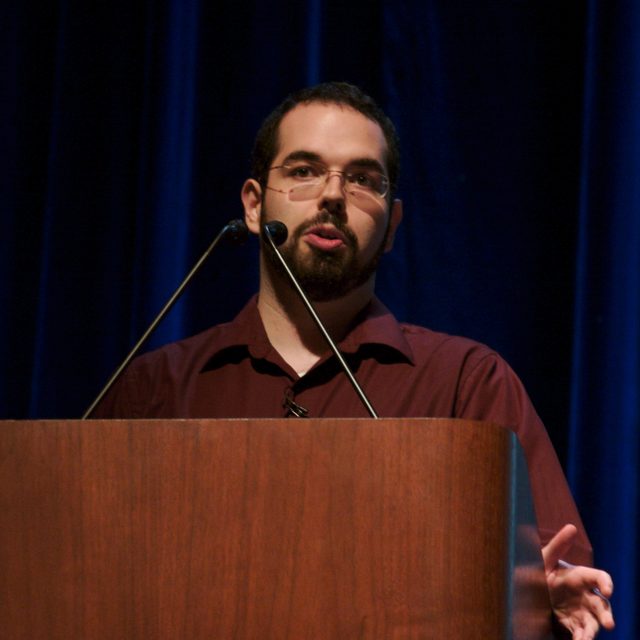
Eliezer Yudkowsky
Author of the Time essay on shutting AI down
Photo: null0, CC BY-SA 2.0, cropped
In Time, he writes that a too-powerful AI built under present conditions would end human and biological life.
“If somebody builds a too-powerful AI, under present conditions, I expect that every single member of the human species and all biological life on Earth dies shortly thereafter.”Time
On the record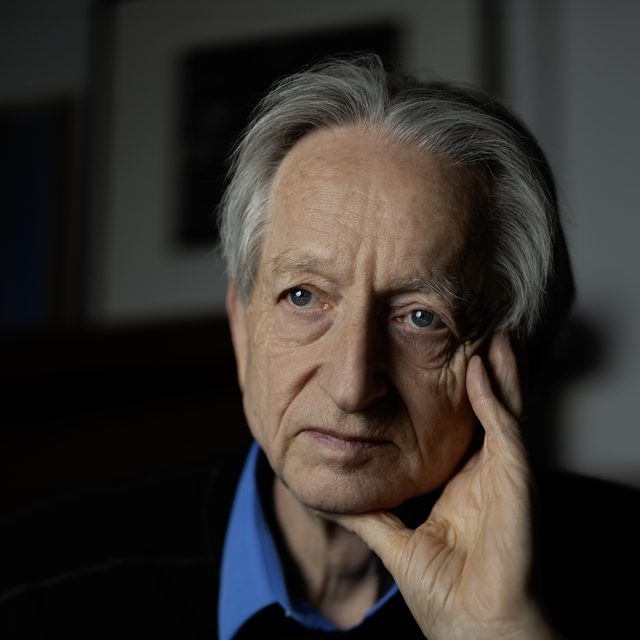
Geoffrey Hinton
Deep learning pioneer; left Google
Photo: Cmichel67, CC BY-SA 4.0, cropped
Told MIT Technology Review, as he was leaving Google, that these systems are close to becoming more intelligent than people.
“I have suddenly switched my views on whether these things are going to be more intelligent than us. I think they’re very close to it now and they will be much more intelligent than us in the future”MIT Technology Review
On the record
Ilya Sutskever
OpenAI cofounder
Photo: Steve Jurvetson, CC BY 2.0, cropped
OpenAI cofounder. The Superalignment post he co-wrote says there is not yet a way to control a superintelligent AI.
“Currently, we don't have a solution for steering or controlling a potentially superintelligent AI, and preventing it from going rogue.”Introducing Superalignment
On the recordJL
Jan Leike
Former OpenAI Superalignment lead
Ran OpenAI's Superalignment team and then left. He told the Associated Press that smarter-than-human machines are inherently dangerous.
“smarter-than-human machines is an inherently dangerous endeavor”Associated Press
On the recordLA
Leopold Aschenbrenner
Former OpenAI researcher
Former OpenAI researcher. Writes that controlling AI much smarter than we are is unsolved, and that a fast jump could go off the rails.
“Reliably controlling AI systems much smarter than we are is an unsolved technical problem. And while it is a solvable problem, things could easily go off the rails during a rapid intelligence explosion.”Situational Awareness
On the record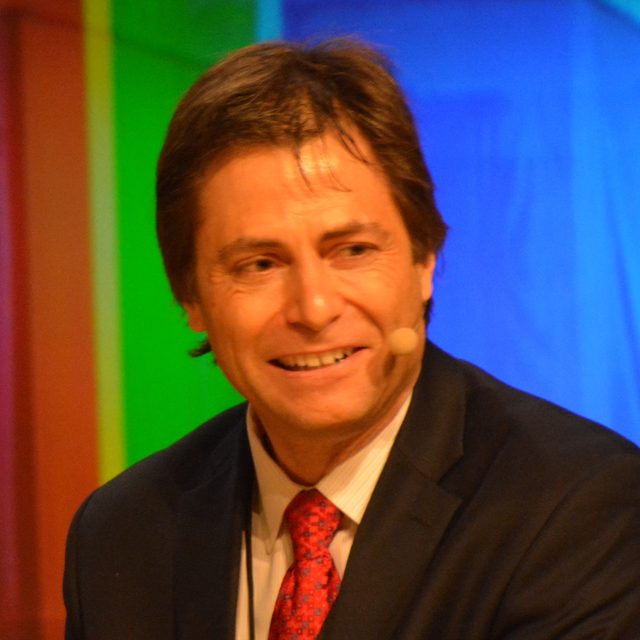
Max Tegmark
Professor of Physics, MIT; president, Future of Life Institute
Photo: Bengt Oberger, CC BY-SA 4.0, cropped
MIT physicist and Future of Life Institute president. He signed the 2023 letter warning that no one can reliably control the most powerful AI.
“Unfortunately, this level of planning and management is not happening, even though recent months have seen AI labs locked in an out-of-control race to develop and deploy ever more powerful digital minds.”FLI pause letter
On the record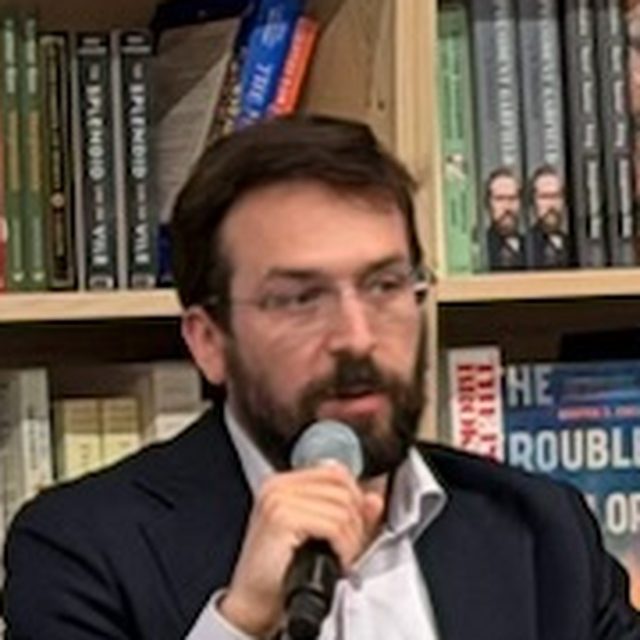
Nate Soares
President, Machine Intelligence Research Institute
Photo: M bourgon, CC0 1.0, cropped
President of the Machine Intelligence Research Institute. On a Carnegie podcast, he says keeping a leash on superintelligence is hard.
“There's one type of answer, which is sort of discussing why it's actually pretty hard to keep a leash on a super intelligence and why there are thresholds of cognitive ability where if it gets out, you're in a lot of trouble”Carnegie Endowment
On the record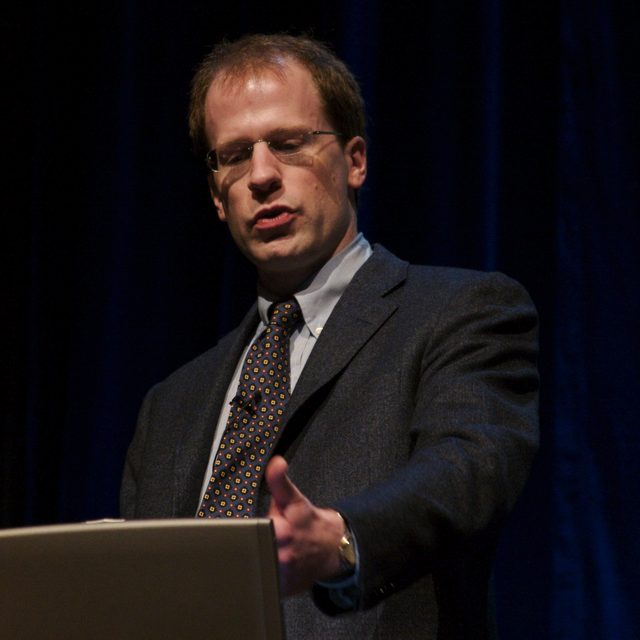
Nick Bostrom
Formerly director, Future of Humanity Institute, Oxford
Photo: null0, CC BY-SA 2.0, cropped
Author of Superintelligence (2014); formerly director, Future of Humanity Institute, Oxford.
“When we create the first superintelligent entity [28, 29, 30, 31, 32, 33, 34], we might make a mistake and give it goals that lead it to annihilate humankind, assuming its enormous intellectual advantage gives it the power to do so.”Existential Risks
On the record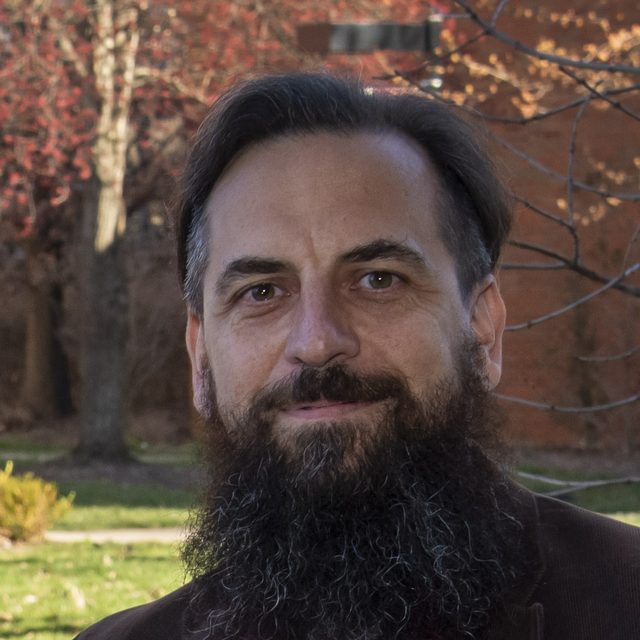
Roman Yampolskiy
Associate professor of computer science, University of Louisville
Photo: uoflphoto3, Public domain, cropped
University of Louisville computer scientist. He told UofL News that superintelligence cannot be controlled indefinitely.
“I don’t think it’s possible to indefinitely control superintelligence. By definition, it’s smarter than you. It learns faster, it acts faster, it will change faster.”UofL News
On the recordTO
Toby Ord
Author of The Precipice
Author of The Precipice. He warns that a race among large companies will make it harder to stop systems that become too dangerous.
“I’m really worried that this new race between big tech companies (who don’t get the risks from advanced AI in the same way that the labs themselves do) will push the labs into riskier deployments, push back against helpful regulation, and make it much harder for the labs to pull the emergency brake if they think their systems are becoming too dangerous.”The Precipice Revisited
On the record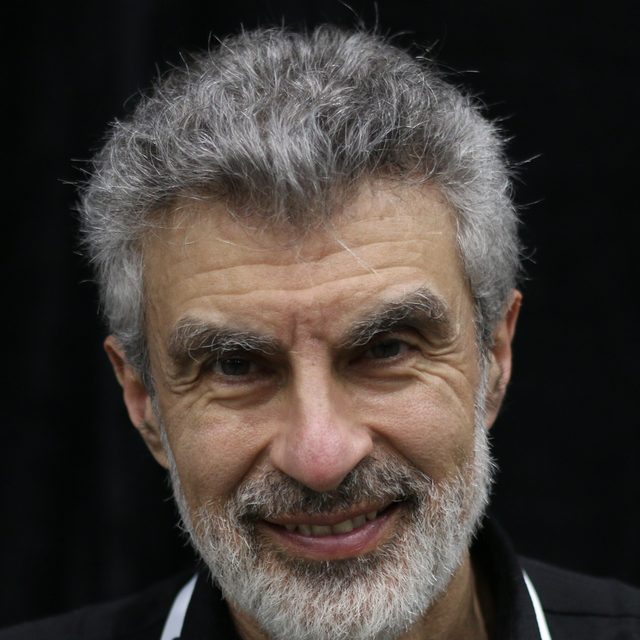
Yoshua Bengio
Professor, Mila - Quebec Artificial Intelligence Institute
Photo: Xuthoria, CC BY-SA 4.0, cropped
Writes that even safe superintelligent systems would not, by themselves, stop rogue AIs from being built.
“Even if we knew how to build safe superintelligent AIs, it is not clear how to prevent potentially rogue AIs from also being built.”How Rogue AIs may Arise
On the record


